The Didache: Christianity at the Doorstep of the Apostles
A four-week lecture series with Father Don Purdum on one of our earliest windows into how the first Christians lived, prayed, fasted, baptized, and worshipped.
Join the School of Catechism for $10 a MonthWhat did the Church look like right after the Apostles?
For centuries, Christians knew a book called the Teaching of the Apostles had existed. Eusebius mentioned it in the fourth century. St. Athanasius, in his Festal Letter of AD 367, listed it among the writings the Fathers appointed to be read by those entering the Church for instruction.
Then it vanished.
In 1873, Metropolitan Philotheos Bryennios found it in an eleventh-century Greek manuscript in Constantinople. He published it in 1883. Suddenly the Church had in hand a short manual, only sixteen chapters long, written very close to the age of the Apostles. It told Christians how to live, how to prepare for baptism, how to pray and fast, how to receive the Eucharist, how to receive a traveling teacher, and how to wait for the return of Christ.
That is the first line of the Didache. Before it says anything about doctrine, it says Christianity is a Way. You walk it.
Why this matters if you are Orthodox, or thinking about it
Many people have been told that the early Church looked nothing like the Orthodox Church. A house meeting, a Bible, and not much else. The Didache is a good place to test that claim, because you can read it yourself, and it is short.
In it you find baptism in the name of the Father, and of the Son, and of the Holy Spirit. You find fasting on set days, the Lord's Prayer said three times a day, a Eucharist reserved for the baptized, confession of sins before the offering, and bishops and deacons to be appointed. It also contains a hard moral teaching, including a clear prohibition of abortion and infanticide.
Father Don will walk through each of these slowly, and ask one question again and again: would a Christian who read the Didache recognize what happens in an Orthodox church today?
Four weeks, one chapter of the story at a time
Each lecture runs about an hour. Each one ends with a short "Then and Now" look at how the same practice appears in Orthodox life today.
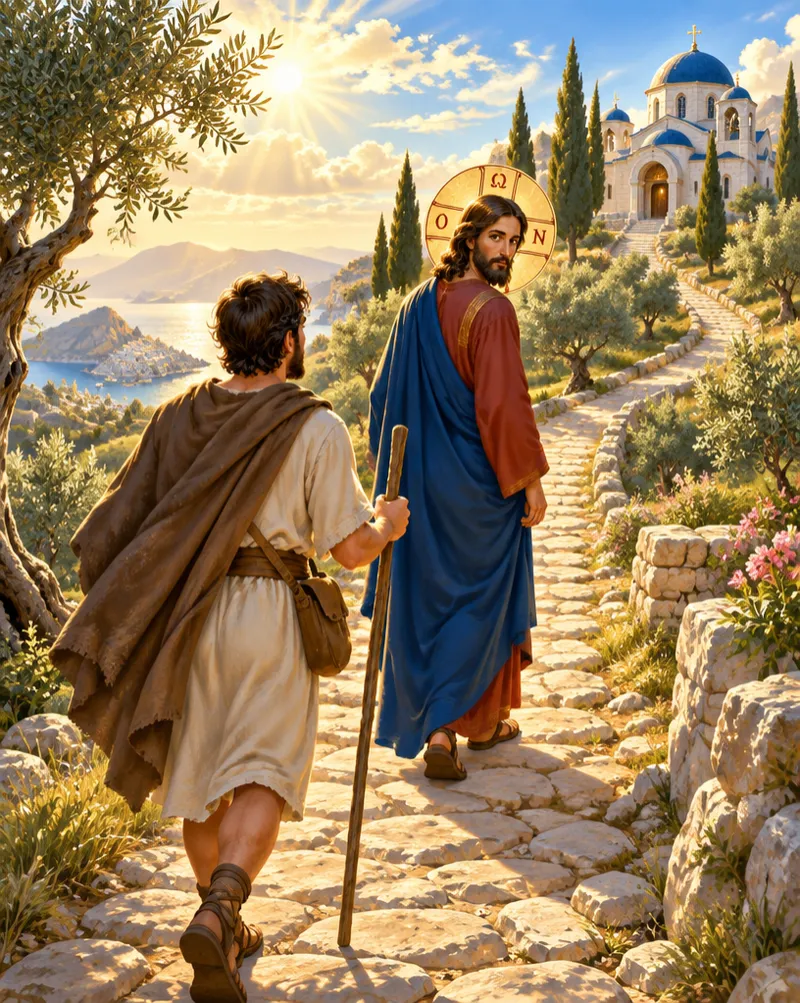
The Teaching of the Twelve Apostles
The strange story of how the Didache was lost and found, what the word means, when it was written, and why scholars still argue about it. Then the Two Ways: the Way of Life and the Way of Death.
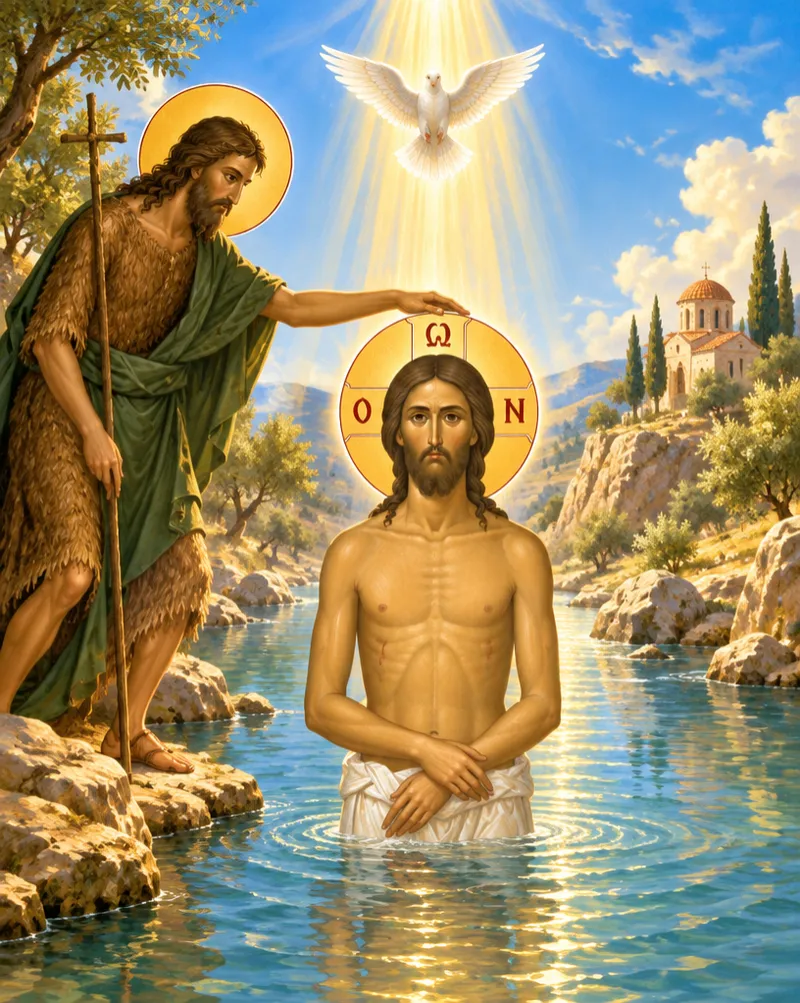
How the Apostolic Church Worshipped
Baptism, fasting, the Lord's Prayer, and the Eucharistic thanksgiving. Real prayers that real Christians prayed before the New Testament was even bound into one book.
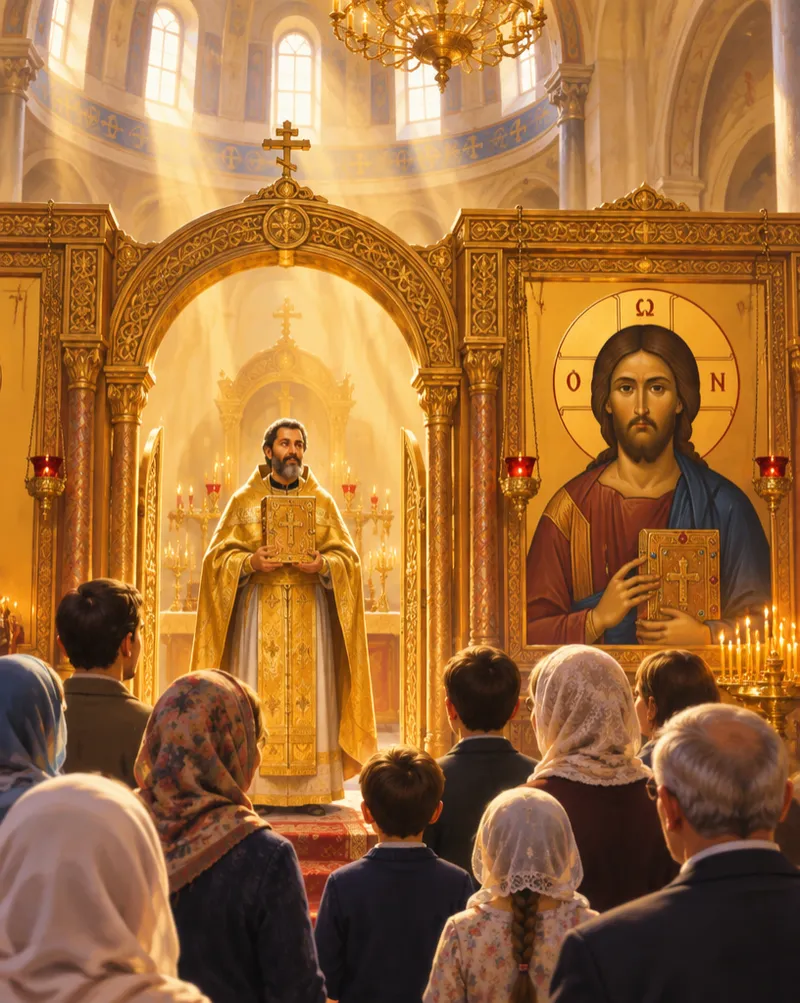
The Church Gathers on the Lord's Day
Traveling apostles and prophets, hospitality, firstfruits, Sunday worship, confession before the offering, and the bishops and deacons the community was told to appoint.
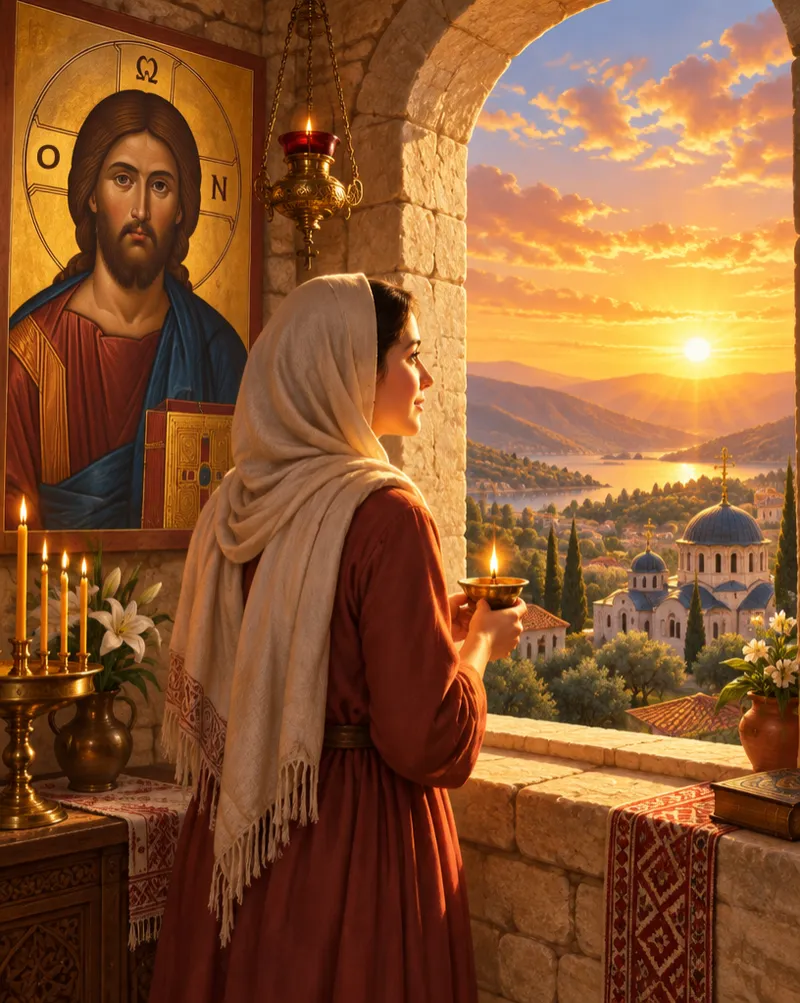
From the Didache to the Orthodox Church
"Watch for your life's sake." The final chapter on the return of Christ, what the archaeology tells us, and the honest question of continuity: what the Didache shows, and what it does not claim.
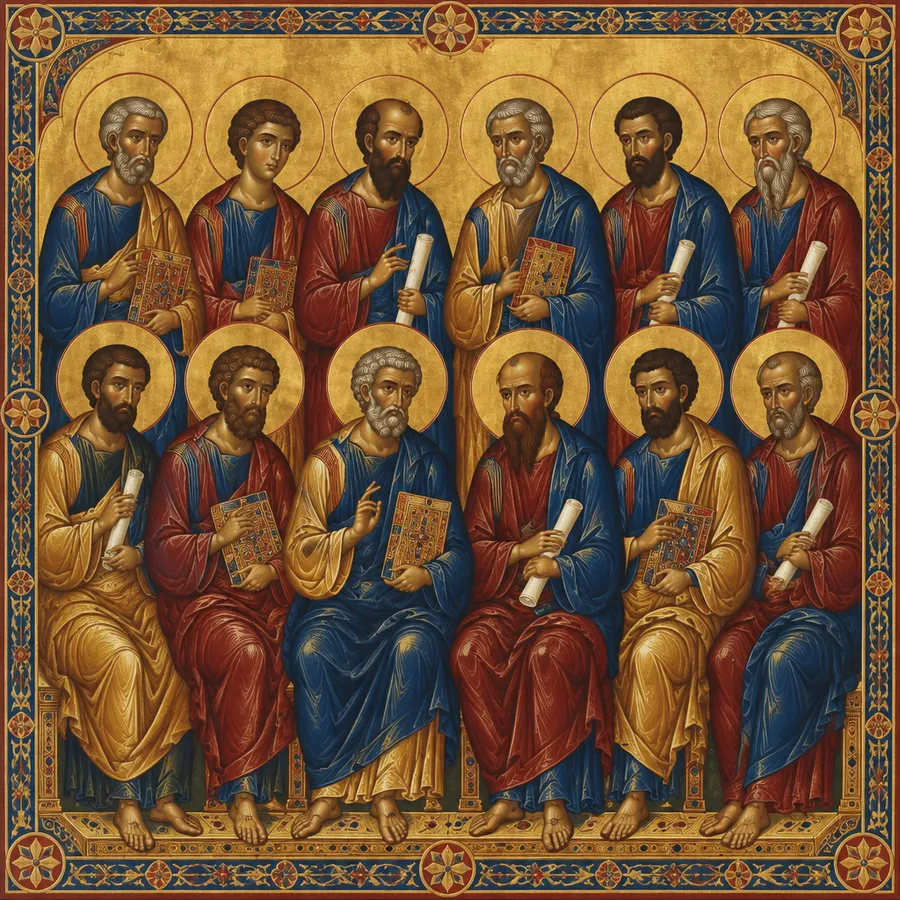
Catechism is not a modern invention
The pattern in the Didache is the one the Church still follows. Faith, repentance, instruction, baptism and chrismation, then the life of the Eucharist.
Before you were welcomed to the chalice, you were taught how Christians live. That is what the St. Basil Global School of Catechism is for, and it is why the Didache is the next thing we are teaching.
What you get as a member
The Didache series is part of the St. Basil Global School of Catechism, a safe and welcoming community for people exploring or deepening their life in Holy Orthodoxy.
Every week, Father Don releases a new prerecorded lesson. You watch when it suits you. You also get the full back catalog, including the series on the Nicene Creed and The Unseen World, and a community where questions are welcome and every discussion is rooted in Scripture, Tradition, and prayer.
If you have wanted to understand the Church more deeply but never had a priest nearby to ask, this is a place to start.
Be there for the very first lesson
The Didache begins soon. Members go through it together, week by week, from Lesson 1.
Join the School of Catechism for $10 a Month
Who this is for
If you have read about the early Church and wondered how much of what you were told is true, this is for you. If you are Orthodox and want to know why we do what we do, this is for you. If you are on the way toward the Church and want to see its roots with your own eyes, this is for you.
If you want to look the first Christians in the face and ask whether they would recognize us, come and see.
P.S. You can read the Didache in about twenty minutes. Understanding what its first readers heard in it takes longer, and it is much better done with a teacher and a community. Join now and you will be there from the first lesson.